Skip to content

Tag: Black Culture

Viadescioism 0

Language Control as a Tool of Oppression

Language control has long been used as an instrument of oppression, intrinsically linked to systems of racism, colonialism, imperialism, and orientalism. It is not just about grammar or vocabulary—it is about power. The notion that there exists a single “correct” form of English is a myth constructed to uphold social hierarchies and maintain dominance over marginalized communities. In reality, language […]

Viadescioism 0

Utilitarianism, Capitalism, and the Quiet Logic of Harm

Yesterday, I had one of those conversations that stays with you—not because it was insightful, but because of how revealing it was. I was talking with someone who often shares views that lean heavily libertarian-conservative. And as I listened, I started asking myself: Do they even know where these beliefs come from? It turns out they didn’t. Like many, they […]

All 0

Imani (Faith):

Imani, celebrated on the seventh day of Kwanzaa (December 31st), stands for “Faith” in Swahili. This principle, pronounced Eee-maun-ee, emphasizes faith in our people, parents, teachers, leaders, and the collective struggle of the African-American community. Imani calls for a deep and enduring belief in the communal values, culture, and the resilience of the community. Imani is more than just religious […]

All 1

Kuumba (Creativity):

Kuumba pronounced koo-OOM-bah, it translates to “Creativity” in Swahili. The essence of Kuumba is to always do as much as we can, in the way we can, to leave our community more beautiful and beneficial than we inherited it. This principle is not just about artistic creativity but also about innovating and problem-solving in ways that enhance the community. This […]

All 0

Ujamaa (Cooperative Economics):

Ujamaa, the fourth principle of Kwanzaa, pronounced oo-JAH-mah, emphasizes the concept of Cooperative Economics. Celebrated on the fourth day of Kwanzaa, this principle is centered around building and maintaining communal stores, shops, and businesses to profit together. It embodies the value of using collective energy to economically benefit the community, focusing on the sharing of wealth and work, beginning within […]

All 0

Ujima (collective work & responsibility):

Ujima, the third principle of Kwanzaa, celebrated on December 28th, is a powerful concept that emphasizes collective work and responsibility. Pronounced oo-jee’-ma, Ujima represents a commitment to active and informed togetherness in addressing common community issues. This principle encompasses the idea that the community’s problems are shared by all and must be solved together. The symbol associated with Ujima is […]

All 0

Kujichagulia (Self-Determination):

Kujichagulia, or Self-Determination, is the second principle of Kwanzaa, celebrated on December 27th. Pronounced koo-jee-chah-GOO-lee-ah, this principle emphasizes the importance of defining, naming, creating, and speaking for oneself. It represents the right and responsibility to shape one’s own destiny and daily life, fostering a strong sense of identity and autonomy within the African-American community. The Ahenwa, the Akan throne, is […]

All 0

Kwanzaa:

Kwanzaa, an annual holiday celebrated primarily in the United States from December 26 to January 1, emphasizes the importance of pan-African family and social values. It was devised in 1966 by Maulana Karenga, Inspired by Africa’s harvest celebrations, he decided to develop a nonreligious holiday that would stress the importance of family and community while giving African Americans an opportunity […]

All 0

Umoja (unity):

Umoja, the first principle of Kwanzaa, is a powerful concept emphasizing unity within the family, community, nation, and race. The principle, pronounced oo-mo’-ja, is celebrated on the first day of Kwanzaa, which begins on December 26th. It embodies the idea of striving for and maintaining unity, a key aspect of the holiday’s focus on family and community bonds. The Dagi […]

All 0

Haint blue

“Haint blue is a range of pale, blue-green colors that are often used to paint porch ceilings in the Southern United States. The tradition originated with the Gullah people in Georgia and […]

All 1

Praise houses

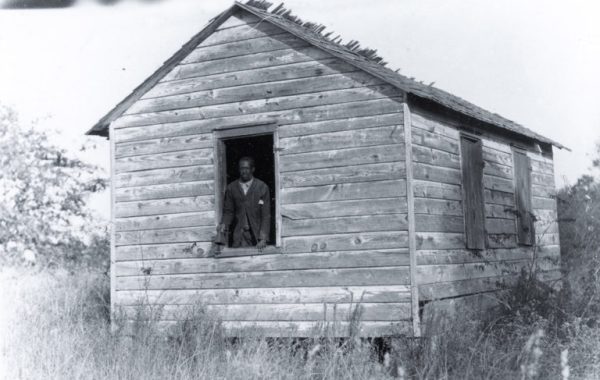
Praise houses were small, wooden structures used for worship by enslaved people in the American Southeast. They were also known as prayer houses. Praise houses were typically built within plantation complexes. They were often […]

All 1

9 Elements of Hip Hop

One thing that I incorporated into my practice that I didn’t see coming was the nine elements of Hip Hop. Which are laid out by KRS-One, in his song “9 Elements,”: These elements are closely aligned with facets of my existing practice and have intersected with my philosophy, spirituality, or religious beliefs. However, they represent a comprehensive system that embraces […]

All 0

Kicking and knocking

“Kicking and Knocking,” also known as “Knockin,” “Knock boxing,” or “yuna onse,” is a little-known but historically significant African-American martial art. Its roots trace back to the era of slavery […]

All 1

My First Post

On this blog, I will be posting things that have to do with spirituality, occultism, esotericism, and mysticism among other things. I will be using this post to keep track of different practices, methods, and exercises I have learned throughout my journey on this path. I will usually post when I find information, or I am very focused on a […]